David Schmitz · 25 October 2026
Palora's Beekeepers Establish Regional Honey Authentication Standards
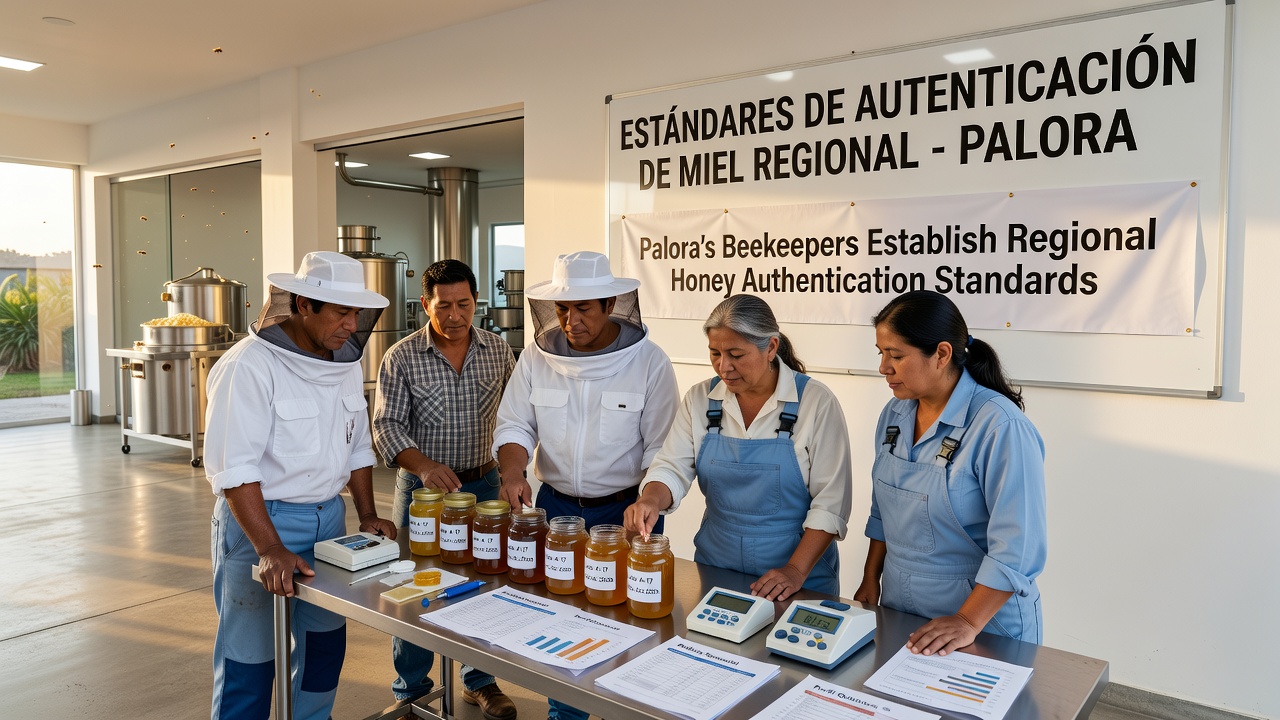
Palora's beekeepers have formed a coalition to create unified authentication standards for honey produced across the region, a move that addresses growing concerns over product integrity and traceability in local markets. The initiative draws on data from multiple apiaries where producers documented variations in floral sources, processing methods, and labeling practices that previously allowed inconsistencies to persist. In October 2026, representatives from over twenty operations met to finalize protocols that include chemical profiling, geographic origin markers, and batch tracking systems designed to verify authenticity from hive to consumer.
Background on Regional Beekeeping Practices
Local beekeepers have long relied on traditional methods suited to Palora's diverse flora, yet those approaches lacked standardized verification until now. Researchers from nearby agricultural institutions have recorded annual production figures showing steady output increases, with honey varieties ranging from acacia-dominant to wildflower blends that reflect seasonal changes. Those who study supply chains note that without authentication, shipments sometimes mixed with external products, which complicates efforts to maintain quality claims. The new standards require each batch to undergo testing for pollen content and isotopic signatures, measures that align with practices observed in other agricultural zones worldwide.
Development of Authentication Protocols
Coalition members spent months reviewing existing frameworks before settling on a set of criteria that combines laboratory analysis with field documentation. Pollen spectrum analysis forms the core requirement, supplemented by stable isotope ratio measurements that help confirm regional origin according to studies conducted at Canadian food research centers. Participants also agreed on digital ledger systems for recording hive locations, harvest dates, and processing steps, which creates an unbroken chain visible to buyers and regulators alike. One apiary owner described how earlier labeling disputes prompted the push for clearer rules, while another highlighted how shared testing facilities reduced costs for smaller operations that lacked individual lab access.
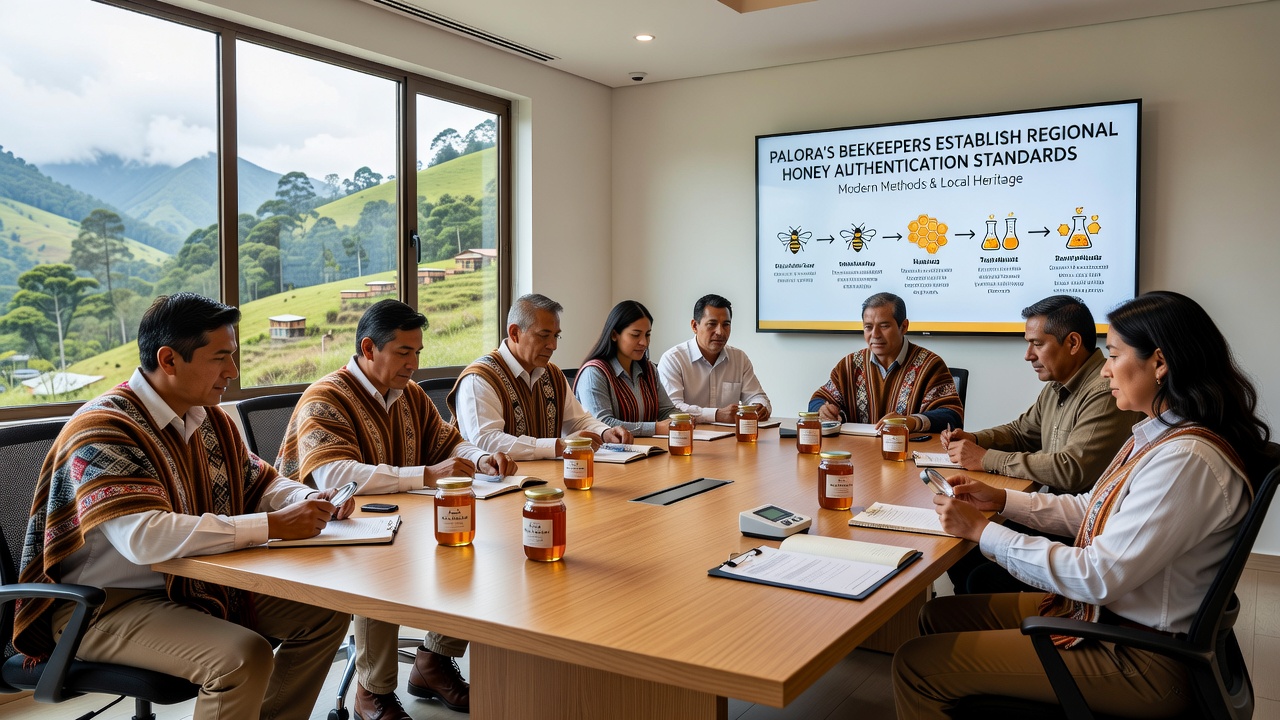
Implementation began immediately after the October meetings, with initial certification runs scheduled for early winter harvests. Data collected during pilot tests revealed that nearly 15 percent of sampled batches showed minor deviations from expected profiles, prompting refinements in storage guidelines. External verification comes from partnerships with academic labs that specialize in food composition, including work referenced by the Food Standards Australia New Zealand on similar authenticity projects. These collaborations ensure the Palora system meets benchmarks used in export-oriented regions without requiring entirely new infrastructure.
Impact on Local Trade and Consumer Confidence
Market observers report that authenticated honey now commands consistent pricing across Palora vendors, reducing the fluctuations tied to unverified lots. Retailers have started displaying certification seals on packaging, which aligns with consumer demand for traceable goods as documented in European Union food safety reports. Beekeepers benefit from clearer differentiation of their products, especially when competing with larger commercial suppliers that operate outside the region. Training sessions held throughout the fall equipped participants with tools to collect samples correctly and interpret basic test results, fostering greater self-reliance among the group.
Trade routes within the region have adjusted accordingly, as certified honey moves more readily between Palora and neighboring districts that recognize the new standards. Figures from the coalition indicate that participating apiaries represent roughly 70 percent of local production capacity, a threshold that supports broader adoption over time. Those monitoring the rollout note that early adoption has already streamlined customs checks for shipments crossing municipal boundaries, where documentation once required additional verification steps.
Future Steps and Ongoing Refinements
Coalition leaders plan quarterly reviews to update testing parameters based on new harvest data and any shifts in regional flora patterns. Plans include expanding the digital tracking platform to incorporate mobile applications that let individual beekeepers upload records directly from the field. Collaboration with international bodies continues, with reference materials drawn from reports issued by the United States Department of Agriculture on honey composition databases. These updates aim to keep Palora standards compatible with evolving global expectations while preserving the unique characteristics of local honey varieties.
Conclusion
The establishment of regional honey authentication standards marks a coordinated effort by Palora's beekeepers to strengthen product integrity through shared protocols and verification tools. Implementation details finalized in October 2026 continue to shape daily operations, from sample collection routines to market labeling practices. Ongoing data collection and external partnerships provide mechanisms for adjustment as conditions change, ensuring the framework remains functional across varying production scales.