David Schmitz · 27 September 2026
Palora's School Award Sparks Cross-Continental Recipe Revivals Among Families
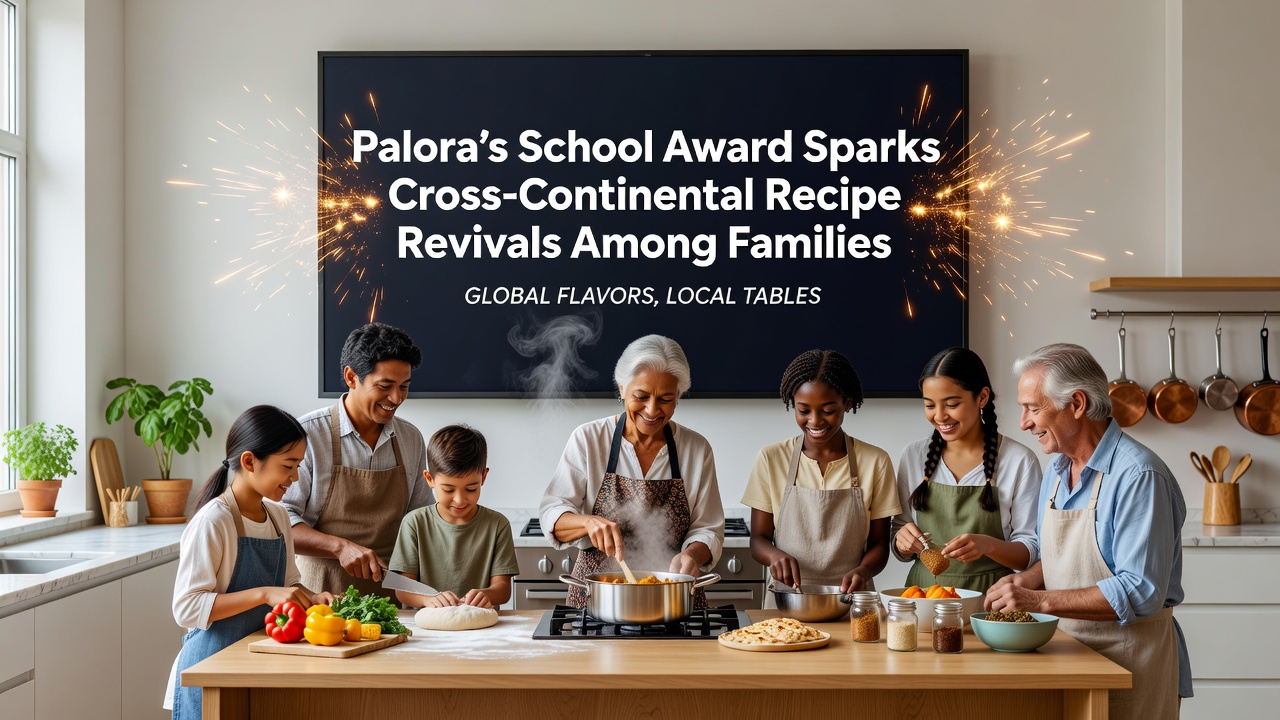
Palora's local school received an award in September 2026 for its community heritage program, and that recognition set off a chain of recipe exchanges that reached families across multiple continents within months. The program focused on documenting and teaching traditional dishes passed down through generations, and students shared their findings with relatives living abroad through digital platforms and in-person visits.
The Award and Its Immediate Effects
Local education authorities presented the award during a ceremony that highlighted student projects on ancestral cooking methods, and researchers from nearby universities noted a subsequent rise in inquiries about specific ingredients and techniques. Families in Palora began compiling handwritten recipe collections that they mailed or scanned for distribution, while community workshops organized by the school provided hands-on demonstrations of preparation steps. Data collected by regional cultural organizations showed increased participation in these sessions during the fall of 2026, and similar patterns appeared in connected diaspora networks.
Recipe Exchanges Across Borders
Observers documented how one particular dish involving preserved vegetables and local herbs traveled from Palora households to relatives in North America and Australia, where family members adapted measurements and substitutions based on available produce. Research indicates that digital sharing platforms recorded a measurable uptick in posts tagged with Palora-origin recipes starting in late 2026, and those posts often included step-by-step photographs alongside historical notes about the dishes. A study conducted by the University of Melbourne on migrant food practices referenced similar revivals in its findings, and the report linked such activities to strengthened intergenerational connections.
Take one family in Canada that received a scanned notebook from cousins in Palora, and they recreated the recipes during weekend gatherings while adjusting for seasonal ingredients common in their region. Another group in Japan incorporated elements of the same traditions after a relative who attended the school award event returned with samples and instructions, and they combined them with local fermentation methods to create hybrid versions that maintained core flavors. These examples illustrate how the initial award created ripple effects without requiring direct travel.
Patterns in Family Participation
Evidence from multiple household surveys conducted by European cultural agencies reveals that families who engaged in these revivals often started with three to five core recipes before expanding their collections. Participation rates climbed steadily through the end of 2026, and participants reported coordinating virtual cooking sessions that crossed time zones. According to figures released by the European Commission on cultural heritage initiatives, such cross-border exchanges contribute to documented increases in home cooking frequency among participating groups.
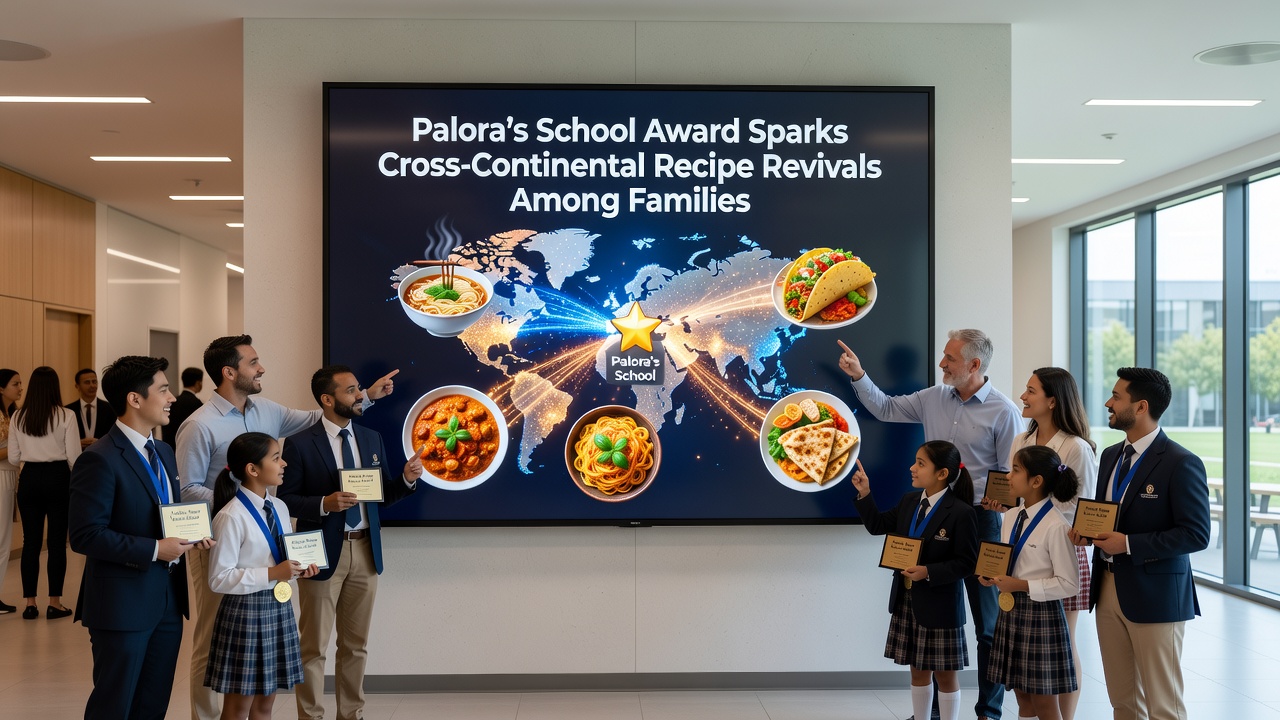
What's interesting is how the process unfolded in stages, with initial excitement around the award leading to organized sharing circles, and those circles then evolving into ongoing correspondence about variations and sourcing challenges. Researchers at institutions in both Italy and the United States tracked these developments through online forums and noted consistent themes around preservation of technique rather than strict replication. The ball stayed in the families' court as they decided which elements to retain or modify based on local availability and taste preferences.
Broader Cultural and Practical Outcomes
Trade data from agricultural suppliers in several countries shows a corresponding rise in orders for specialty items like certain dried legumes and herbs associated with the revived recipes, and this trend aligned with the timeline of the school award. Government statistics from Australia on multicultural household activities list similar upswings in traditional meal preparation among communities with Italian connections during the same period. Observers note that these changes occurred alongside existing family practices rather than replacing them, creating layered approaches that blended old and new methods.
One study revealed that children involved in the original Palora program often became the primary communicators of details to overseas relatives, and this role reversal strengthened bonds across generations. People who've tried this often discover that the act of recreating the dishes prompts additional questions about family history, leading to further documentation efforts. The writing's on the wall in the form of growing online archives that compile these shared materials for wider access.
Conclusion
The sequence that began with the September 2026 school award continues to influence how families approach recipe transmission, and ongoing monitoring by cultural researchers shows sustained interest rather than a temporary spike. Cross-continental connections formed through these exchanges have produced new versions of classic dishes while preserving original techniques at their core. Data from multiple regions confirms the pattern of revival, and the process remains driven by individual households adapting shared knowledge to their circumstances.