David Schmitz · 11 October 2026
Palora's Senior Citizens Launch Intergenerational Tech Workshops
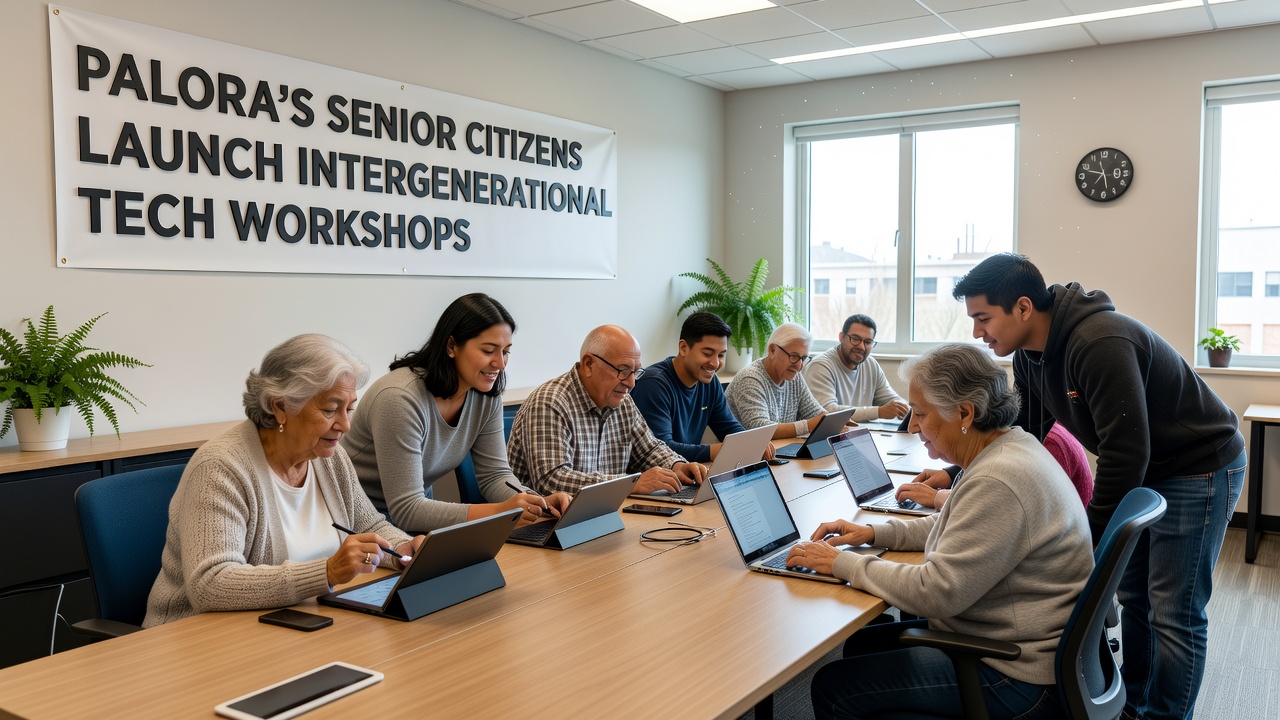
Palora residents aged 65 and older have organized a series of intergenerational tech workshops that begin sessions in October 2026, bringing together local seniors with students from area schools and community groups to share skills in digital tools, basic coding, and online safety practices. The initiative started after several retired teachers and engineers in the town noticed gaps in practical technology use across age groups and formed committees to coordinate weekly meetings at the Palora Community Hall and the public library branch.
Workshop Structure and Schedule
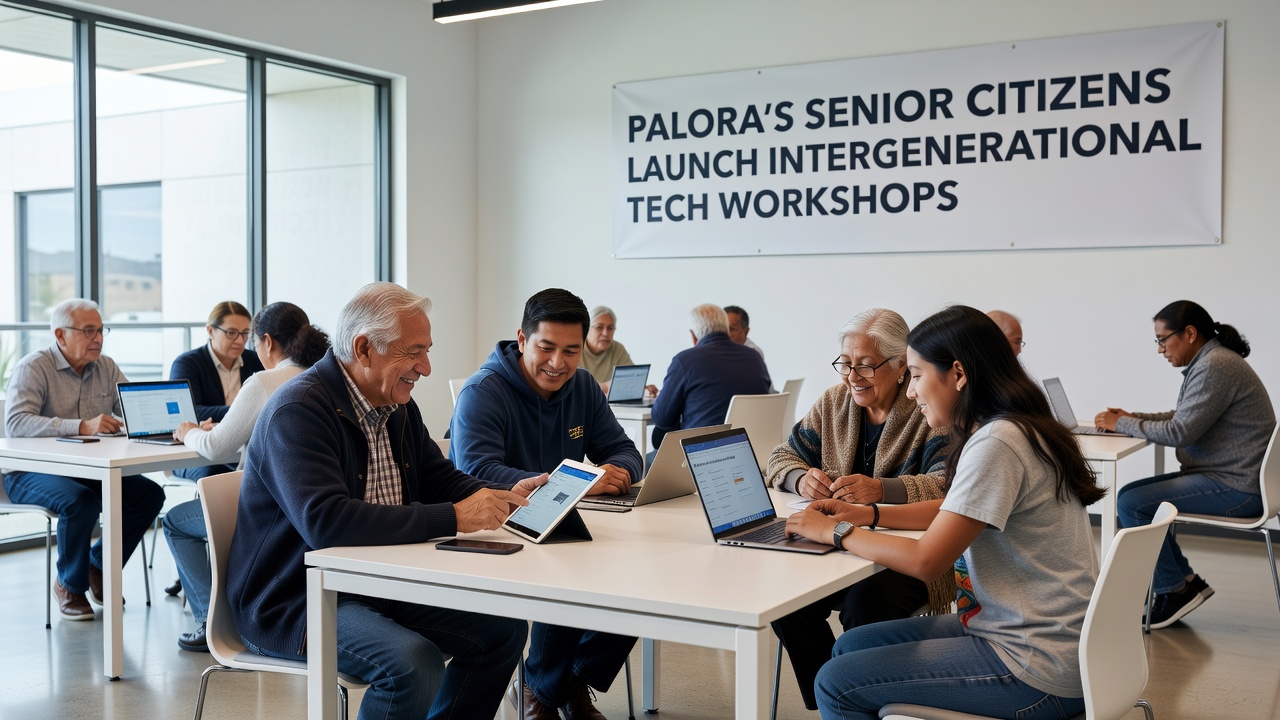
Each session runs for two hours and combines hands-on demonstrations with paired activities where seniors guide younger participants through tasks such as setting up email accounts, navigating government service portals, and editing shared documents in cloud-based platforms, while the students demonstrate smartphone apps and social media privacy settings in return. Organizers have scheduled ten workshops through the end of 2026, with topics progressing from introductory device care to more advanced subjects like simple website building and data backup routines.
Registration opened in late September 2026 through the town's recreation department website, and early sign-ups reached capacity within the first week according to figures released by the Palora municipal office. Participants receive printed handouts and access to a shared online resource folder maintained by volunteer facilitators.
Background and Development
The project traces its roots to informal coffee gatherings where Palora seniors discussed challenges with online banking and telehealth appointments, then expanded after consultations with local educators who suggested pairing the discussions with youth involvement. Town records show the first planning meeting occurred in June 2026, leading to a pilot event in August that tested session formats and gathered feedback on pacing and equipment needs.
Funding came from a combination of municipal grants and donations from regional businesses, covering costs for additional laptops and high-speed internet upgrades at the venues. Data from similar programs tracked by Statistics Canada indicates that communities implementing structured digital skills exchanges report higher retention rates when sessions emphasize mutual learning rather than one-directional instruction.
Participant Experiences and Activities
One workshop module focuses on creating family photo archives using free editing software, where seniors contribute historical images from their personal collections and younger attendees handle file organization and cloud uploads. Another segment covers recognizing phishing attempts, drawing on examples compiled from reports issued by the Australian Competition and Consumer Commission on digital scams targeting older users.
Attendance logs from the pilot showed consistent participation across age brackets, with pairs often continuing conversations after sessions ended. Facilitators note that the format allows seniors to demonstrate practical problem-solving approaches developed over decades while students introduce shortcuts and new applications that streamline common tasks.
Equipment checks occur before each meeting to ensure all devices meet baseline requirements, and volunteer technicians from a nearby vocational college handle any troubleshooting. The schedule also includes a mid-series review meeting where attendees suggest adjustments to future topics based on what skills proved most immediately useful in daily routines.
Broader Context and Supporting Data
Research from the Australian Institute of Health and Welfare on digital engagement among older populations highlights that regular structured practice correlates with increased confidence in using online services for health management and social connection. Palora organizers referenced these patterns when designing session lengths and activity rotations to maintain engagement without overwhelming participants.
Local schools have incorporated the workshops into after-school enrichment options, allowing students to earn community service hours while contributing to the sessions. Town planners anticipate that outcomes from the October 2026 series will inform whether additional venues or expanded schedules become necessary in following years.
Conclusion
The Palora intergenerational tech workshops represent a coordinated local effort to address practical technology needs through scheduled, recurring sessions that pair different age groups for skill exchange. With implementation set for October 2026, the program builds on earlier pilot testing and draws from external data sources to shape its approach. Ongoing registration and venue preparations continue as the start date approaches.